

Nourishment, Not Perfection: Nutrition Approaches for Stress and Anxiety
AUG 04, 2026 • Written by beth Whalley, RHN, RCC, MACC
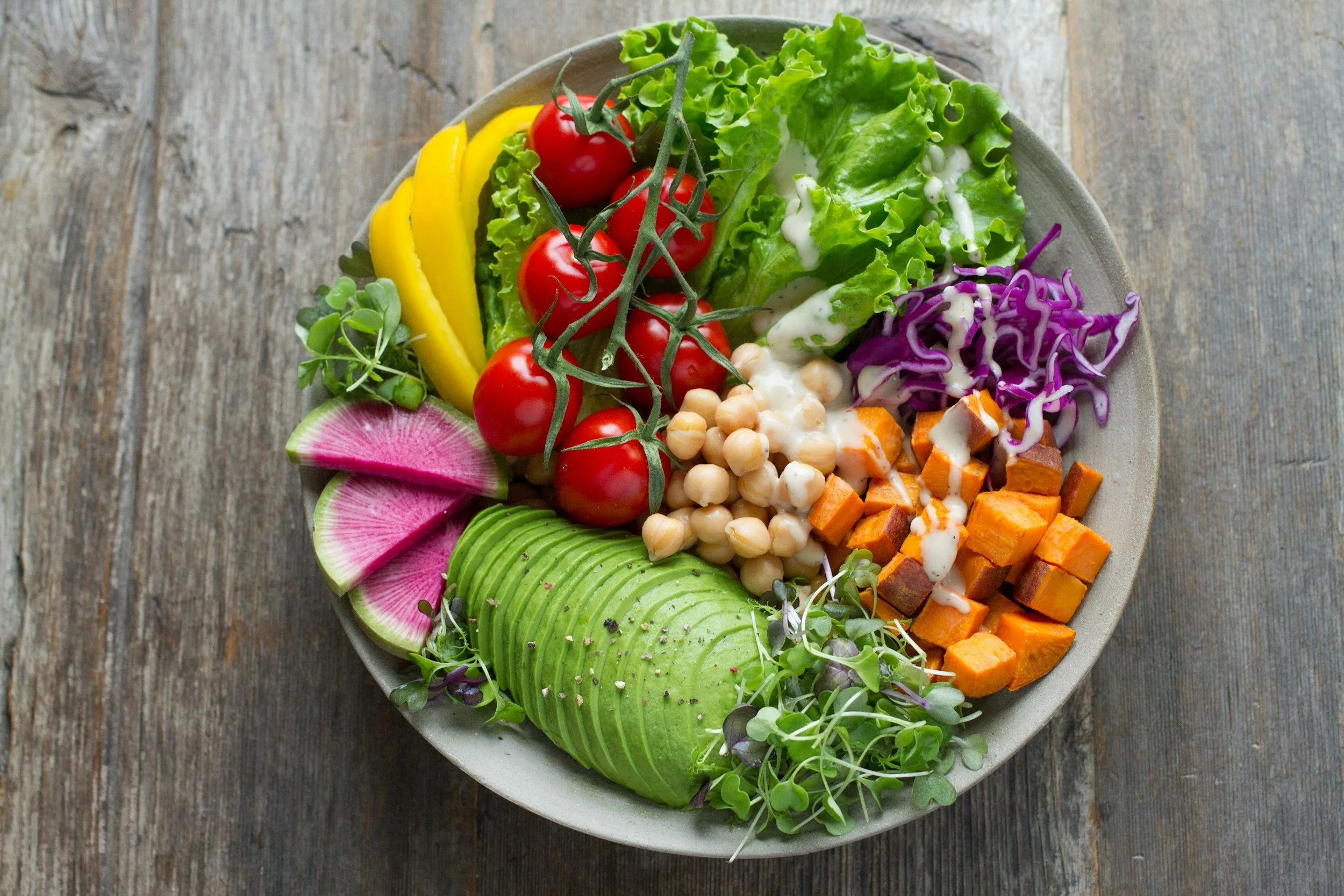
Nutrition and other lifestyle factors can help support a more resilient nervous system.
Anxiety is a normal human emotion whose purpose is to move us away from fearful situations and ultimately keep up safe. In today’s fast-paced world full of countless stressors it is no wonder that more of us are experiencing disordered levels of anxiety.
Anxiety will impact 1 in 4 of Canadians at some point in our lifetime and is one of the most common concerns for people to seek counselling. The good news is that not only can counselling be effective in reducing symptoms of anxiety, but nutrition and other lifestyle factors can help support a more resilient nervous system and provide a stronger foundation for emotional wellbeing.
Start with the basics
Both lack of sleep and dehydration cause a low-level stress that is easy to brush off but make emotional regulation and concentration more difficult and reduce your resilience to other stressors. Adequate hydration amounts to 30mL per kilogram of bodyweight.
Start your morning off hydrated and aim to have your first glass of water as the first (or second) thing you do when you wake up. For tips on how to improve your sleep see my blog post here.
Keep Blood Sugar in Balance
Meals and snacks that are largely carbohydrate-based or long periods between meals can leave you with blood sugar fluctuations that can contribute to anxiety. Symptoms such as shakiness, irritability, difficulty concentrating, and feelings that can mimic or intensify anxiety are all common with low blood sugar.
Being mindful of how you feel following and between meals can help to steer you in the direction of eating pattern that works best for your body. Eating regular meals that include protein, healthy fats, and fibre can help stabilize energy and support mood regulation.
Consider Caffeine
For some, even one caffeinated beverage can increase nervousness, restlessness, racing thoughts, or difficulty sleeping. It may be valuable to hold some curiosity for how your body reacts after consuming caffeine. Consider reducing or eliminating it if you find your stress or anxiety symptoms are worsened during these times.
It Starts in the Gut
The connection between our digestive system and our brains is undeniable, in fact, there are a number of way out gut has a immense influence on our moods including producing and regulating a number of neurotransmitters like serotonin, the production and regulation of a number of neuroactive compounds including short chain fatty acids, immune regulation and of course, the overgrowth of certain bad bacteria or fungi.
Research suggests that a diverse and balanced gut microbiome may play a role in supporting mental health. You can support the health and diversity of your microbiome by eating a variety of plant foods, focusing on fibre from whole food sources, and including fermented foods such as high-quality yogurt, kefir, sauerkraut, or kimchi.
Eat to Beat Inflammation
Inflammation and anxiety have a reciprocal relationship in our bodies – inflammation
can fuel feelings of anxiety and anxiety can increase levels of inflammation in our body.
Eating foods that reduce your levels of inflammation can in turn reduce your experience
of anxiety symptoms.
First, identify and avoid any allergens in your diet.
Reduce or avoid sugar and processed foods.
Focus on a foundation of whole plant foods – think vegetables, legumes, nuts,
seeds, unprocessed whole grains, and fruit.
Include plentiful omega-3 fats. Think cold water fish like salmon, herring, and
sardines, as well as plant-based sources like walnuts, flax seeds, and chia
seeds. Consider supplementation if food sources are hard to incorporate.
Mealtime as a Mindful Moment
Nutrition is just one component of the habits that can make us more resilient to the inevitable stress and anxiety of our modern life and above all, nutrition strategies should help to reduce your levels of stress and anxiety, not add to it. Although consistency is important when making any change, it isn’t realistic. Take the pressure off to make perfect dietary choices and instead take the time to fully enjoy any food you eat. Carve out time to sit (away from distractions), chew well, connect with others, and allow whatever food you chose to eat to truly nourish you.
Holistic Nutrition Counselling integrates personal nutrition support and education with more traditional counselling support for stress and anxiety including somatic awareness, mindfulness, and CBT. If you’re ready for more support to help tackle symptoms of stress or anxiety, I invite you to book your meet and greet session here.
…
Disclaimer: Information can be empowering, but we all have unique health profiles and needs. Health-related information contained in this article is intended to be general in nature and should not be taken as medical advice nor should it be used as a substitute for a visit with a licensed health care provider.