


Have You Forgotten What It Feels Like to Be Yourself?
By Integrative Healing Guide, Anne Marie Chomat
We are busy living our lives. Raising children. Caring for aging parents. Building careers. Holding relationships together. Showing up for our patients, families and communities. We become very good at carrying what needs to be carried.
And somewhere along the way, we can lose touch with ourselves.

My Path To Finding GUNN IMS (Intramuscular Stimulation)
By Physiotherapist Aleks Thornton
For me, IMS has never been about putting needles into muscles for the sake of dry needling. It is about understanding why a muscle became painful in the first place. Combined with movement, manual therapy, breathing, and education, Gunn IMS helps address the nervous system’s role in persistent pain and gives people the opportunity to move with greater comfort and confidence again.
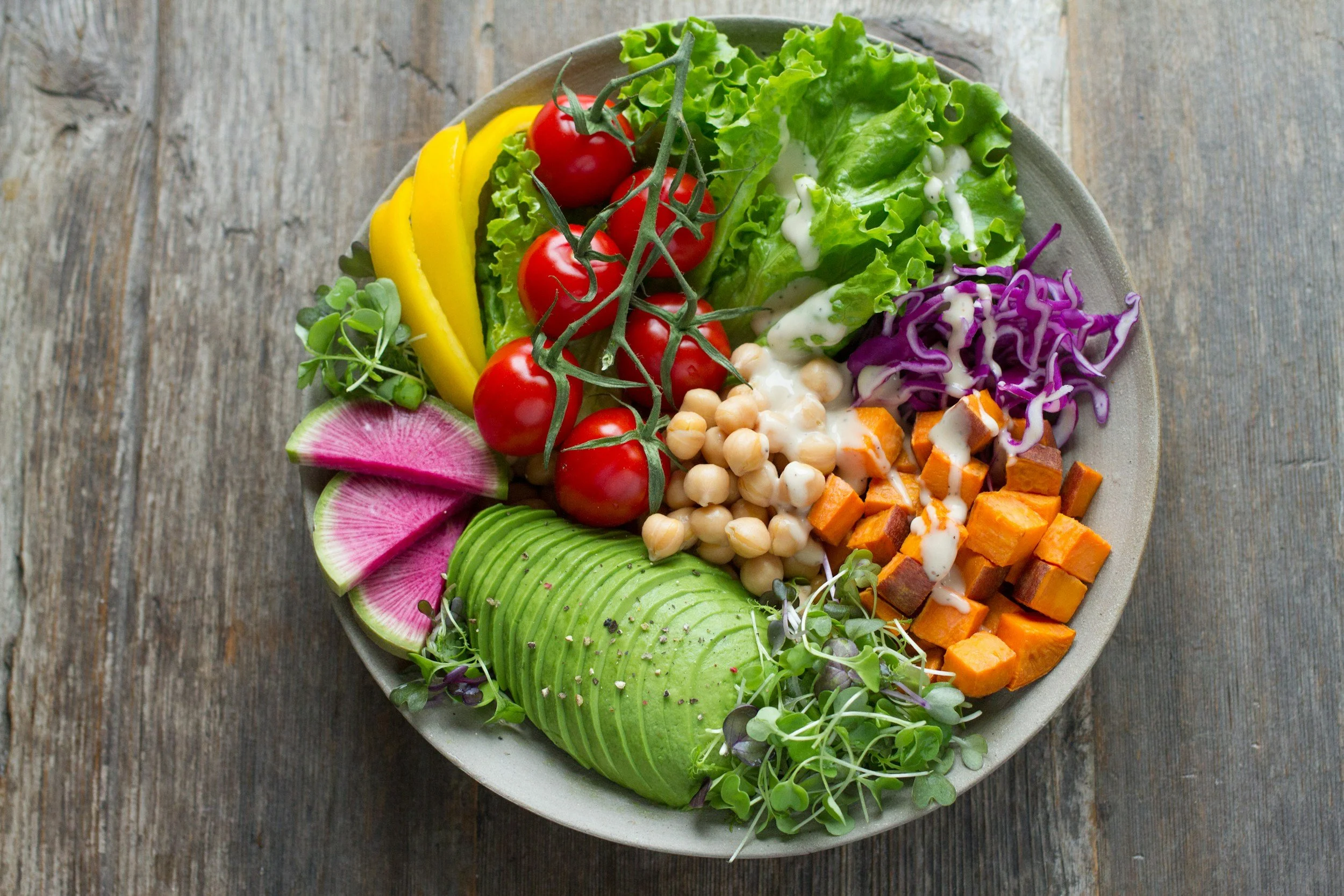
Nourishment, Not Perfection: Nutrition Approaches for Stress and Anxiety
By Registered Holistic Nutritionist & Clinical Counsellor, Beth Whalley
Anxiety will impact 1 in 4 of Canadians at some point in our lifetime and is one of the most common concerns for people to seek counselling. The good news is that not only can counselling be effective in reducing symptoms of anxiety, but nutrition and other lifestyle factors can help support a more resilient nervous system and provide a stronger foundation for emotional wellbeing.

Eight Ways To Get Better Sleep for Whole-Body Health
By Registered Clinical Counsellor, Beth Whalley
More sleep and better-quality sleep can not only improve your physical health through impacting the immune system, stress hormone production and food cravings, but sleep also has major impacts on your mental health too.
A better night’s rest can improve thinking, alertness, mood, and even anxiety anddepression symptoms. Below I’ll share my top tips for falling asleep more easily, staying asleep and waking feeling more rested.

What AI Cannot Replace
By Registered Clinical Counsellor, Kelsey Robson
As a therapist, I have complicated feelings about AI. If I’m being fully transparent, part of me feels frightened. Not because tools are inherently bad. Not because access to information is bad. But because I deeply believe in the necessity of human connection for healing.

Frequently Asked Questions about Relationship Counselling
By Registered Clinical Counsellor, Kelsey Robson
The simple answer is: almost every relationship can benefit from relationship counseling. You don’t need to be in crisis or dealing with a “big” issue to come to therapy. If you find yourself thinking “something could be better” or “I keep feeling frustrated about this same thing with my partner,” you’re very welcome here. And if the issues feel heavier or more complex, you’re welcome here too. Relationship counseling is a space to bring whatever is present and explore it with care and support.
Healthy Gut, Healthy You!
by Dr. Nicole van Peolgeest, ND
Establishing a healthy and happy digestive system is a foundation of naturopathic medicine. Our gut health is intimately connected to the rest of our body. Did you know approximately 70% of our immune system is located in the gut? The majority of your immune cells reside here and are hugely influenced by our microbiome and digestive function. This means that how well our immune systems fights viruses or regulates against autoimmunity is significantly aided by a balanced digestive system!