

Eight Ways To Get Better Sleep for Whole-Body Health
may 5, 2026 • Written by beth Whalley, MACP, RCC, rHN
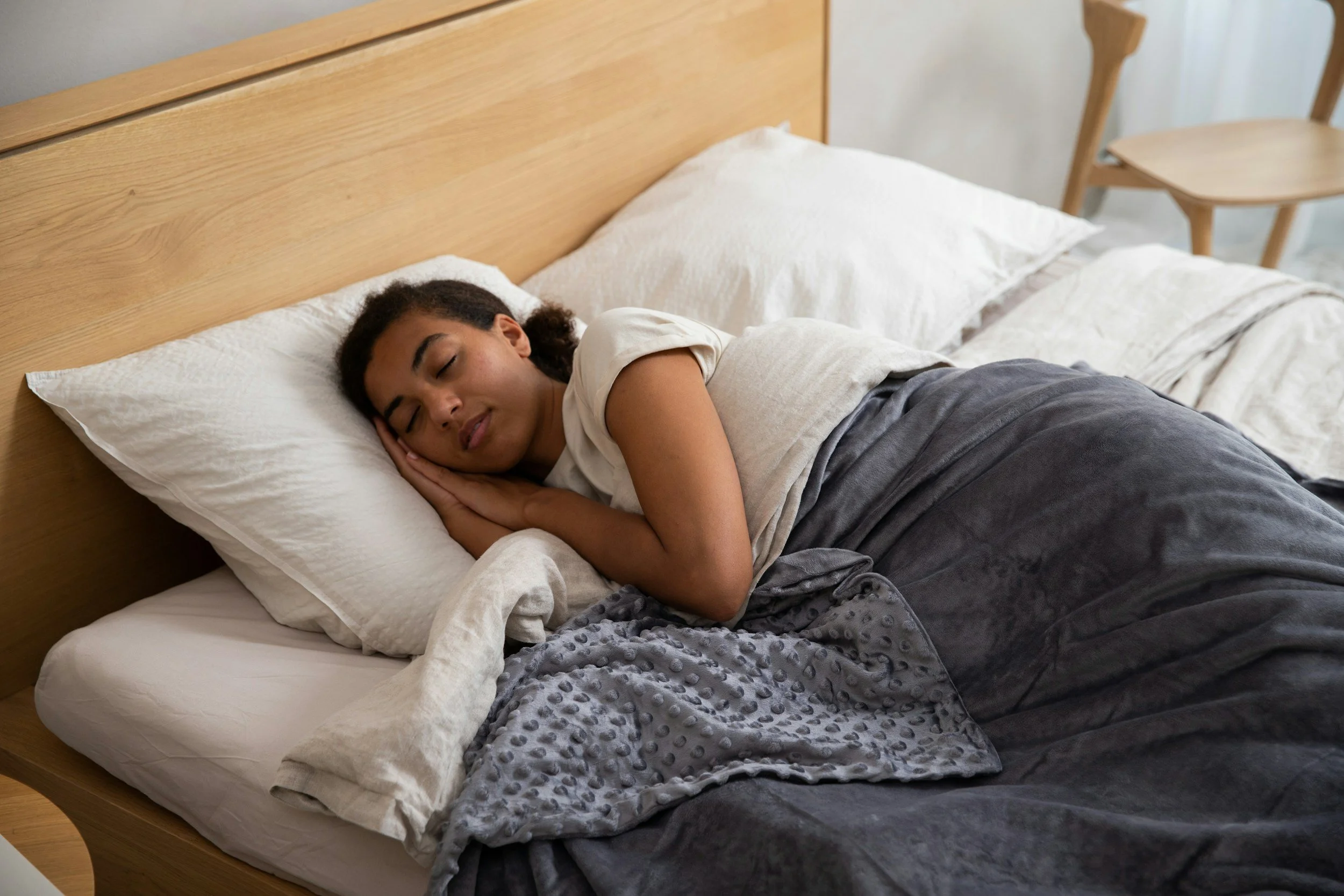
Getting enough sleep is a common struggle for many, especially with all the stress we experience as part of modern life.
More sleep and better-quality sleep can not only improve your physical health through impacting the immune system, stress hormone production and food cravings, but sleep also has major impacts on your mental health too.
A better night’s rest can improve thinking, alertness, mood, and even anxiety anddepression symptoms. Below I’ll share my top tips for falling asleep more easily, staying asleep and waking feeling more rested.
Prioritize sleep – put sleep at the top of your to do list. Be sure to prioritize
getting prepared for sleep over sending that email or completing that last
household chore. More sleep tonight will mean more energy to tackle other
priorities tomorrow.
Forego the midnight snacks – eating too close to bedtime can wreak havoc on
the sleep process – making it harder to fall asleep, to stay asleep and even
causing physical disturbances like heartburn. Aim to leave three hours between
your last meal and bedtime for optimal sleep.
Be selfish with your bedspace – pets, children and even partners can
drastically impact the quality of your sleep. Ensuring that your sleep goes
undisturbed may mean rethinking sharing your bedroom with others.
Consider your beverages – any type of beverage could be impacting your
sleep, it’s a question of timing. Caffeine not only makes it more difficult to fall
asleep but also impacts sleep quality. The amount of caffeine in a beverage is
what should dictate when to call it quits - a cup of drip coffee can take about 9
hours to be out of your system, while high caffeine beverages like pre-workouts or
energy drinks can take over 13!
Alcohol can also impact your ability to get to sleep as well as sleep quality, It
should be avoided to get the best sleep possible.
Water and other beverages around bedtime mean you might be woken with a full
bladder. Consider moving your hydration habits to earlier in the day to avoid this.
Turn down the lights - the natural cycles of lowering light levels in the evening
is part of what cues our brain to prepare the body for sleep (namely by releasing
melatonin). Bright lights indoors and screens can delay this process from
happening and not only make falling asleep once we’re in bed much harder but
also lead us to wake feeling groggy the next morning.
Consider switching to warm light in your home, use more subtle lamps instead of
harsh overhead lights and if screens are an absolute must, use a blue light
blocker on your devices.
Give yourself a chill – A drop in body temperature is another key way in which
your brain knows it is time to prepare for sleep. Like light, temperature is a key
factor in what cues the brain to release melatonin and prepare your body for
sleep.
Support this natural process by setting your thermostat to lower in the evenings –
around 18 degrees Celsius is an optimal temperature for many. You can have a
hot shower to help reduce your core body temperature or simply splash water on
your face. Consider less bedding and clothing while sleeping to help keep the
body cool throughout the night and help you stay asleep.
Wind down routine – Create a routine that supports your body in knowing it is
time to transition to rest. Turn off your screens a few hours before bed, lower the
lights and engage in an activity that is calming – sip tea by candlelight, read a
book, listen to calming music, get or give a massage, take a bath or shower or
journal. Be mindful of how your new routine impacts you and for example, pivot
the books you read or things you journal about where needed.
What about my monkey mind? Even the most calming bedtime routine is no
match for an anxious mind. Try making space to get things off your mind by
making an (analog) list of to dos for the following day. Or give your mind
something else to do - try techniques like a calming body scan or the cognitive
shuffle.
Often sleep evades us for many reasons both physical and mental. If stress and anxiety still feel like too much of a barrier to get good quality sleep or if it feels hard to develop a new sleep routine, help from a counsellor could be of benefit to you.
…
Disclaimer: Information can be empowering, but we all have unique health profiles and needs. Health-related information contained in this article is intended to be general in nature and should not be taken as medical advice nor should it be used as a substitute for a visit with a licensed health care provider.