

My Path To Finding GUNN IMS (Intramuscular Stimulation)
AUG 18, 2026 • Written by Aleks Thornton, physiotherapist
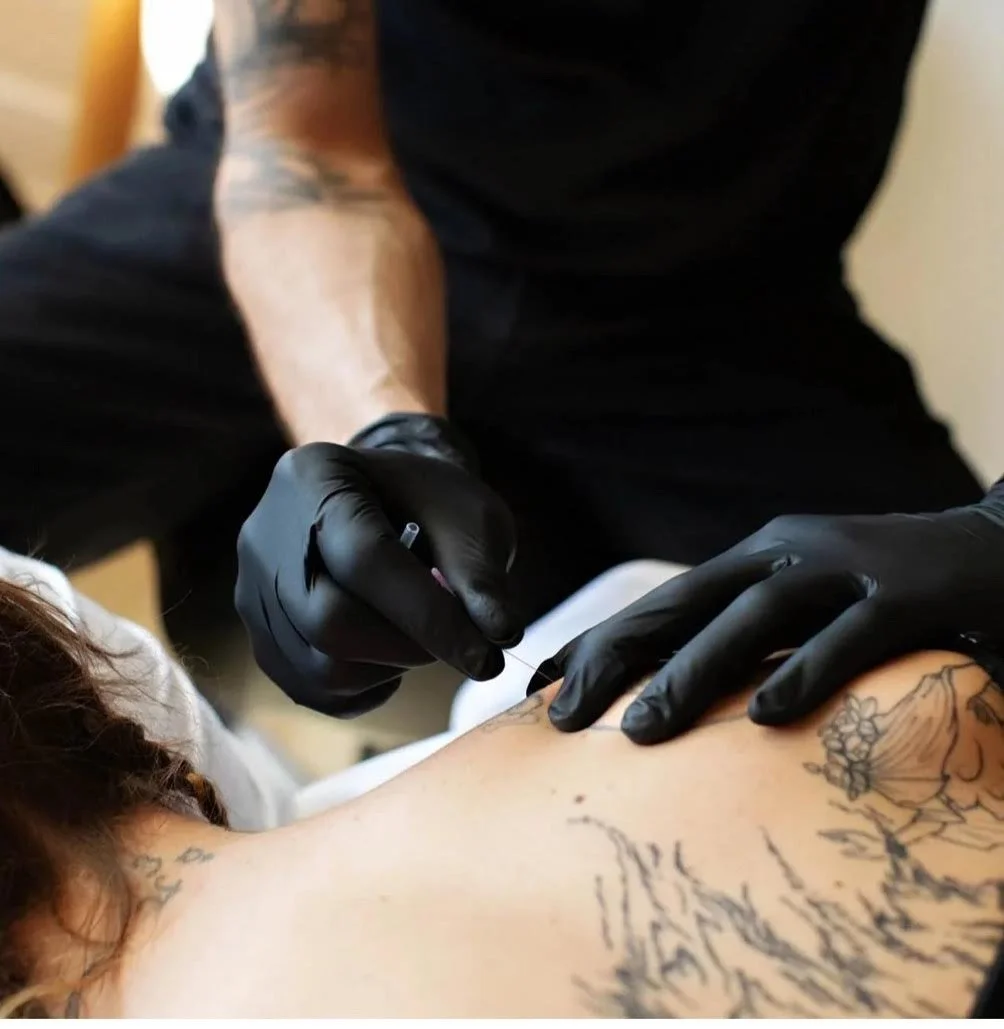
I’ve been practicing Gunn IMS Dry Needling for over 10 years, and it has become one of the most valuable tools I use for treating persistent musculoskeletal pain.
Over my 15 years in practice as an osteopathically informed physiotherapist, I’ve taken countless courses searching for better ways to help people with persistent pain. Early on, I realized that many of my patients weren’t limited by damaged tissues or joints. Instead, they were limited by muscles that stayed tight, painful, and protective long after an injury should have healed.
That search eventually led me to Gunn Intramuscular Stimulation (IMS).
I’ve now been practicing Gunn IMS Dry Needling for over 10 years, and it has become one of the most valuable tools I use for treating persistent musculoskeletal pain.
One thing that has always mattered to me is lineage. I completed my Gunn IMS training through the University of British Columbia, learning from instructors who were only one practitioner removed from Dr. Chan Gunn through iSTOP, the Institute for the Study and Treatment of Pain. Understanding how and why Dr. Gunn developed IMS has shaped the way I assess and treat persistent pain today.
Dr. Gunn’s journey began with a simple observation. While treating painful muscles with steroid injections, he noticed that patients often improved even when the medication wasn’t responsible for the immediate change. The needle itself appeared to have a therapeutic effect. This discovery led him to replace the larger physician’s injection needle with a much finer acupuncture needle, allowing him to precisely stimulate deep muscles with minimal tissue irritation.
Although Gunn IMS uses the same type of needle as acupuncture, the similarities largely end there.
I often compare it to volleyball and basketball. Both sports use a ball, but the rules, strategies, and objectives are completely different. Likewise, both treatments use a needle, but Gunn IMS is a Western, anatomical approach based on neurophysiology. Treatment is guided by movement assessment, muscle function, and the relationship between muscles and the peripheral nerves that supply them.
One of Dr. Gunn’s greatest contributions was his concept of supersensitivity. He proposed that when a nerve becomes irritated, the muscles it supplies can become overly sensitive, shortened, tight, weak, and painful. Even after the original injury has healed, the nervous system may continue to drive pain and movement restrictions.
Who Can Benefit from Gunn IMS?
Gunn IMS is often helpful for people with pain lasting longer than 90 days, especially when muscles always feel tight or symptoms return after activity. Many people tell me, “I feel okay while I’m doing it, but I really pay for it the next day.” That delayed increase in pain or stiffness can sometimes reflect a nervous system that has become more sensitive rather than a new injury.
Common conditions include persistent neck and back pain, shoulder pain, hip pain, sciatica, recurring muscle tightness, and pain that continues long after tissues have healed.
For me, IMS has never been about putting needles into muscles for the sake of dry needling. It is about understanding why a muscle became painful in the first place. Combined with movement, manual therapy, breathing, and education, Gunn IMS helps address the nervous system’s role in persistent pain and gives people the opportunity to move with greater comfort and confidence again.
…
Disclaimer: Information can be empowering, but we all have unique health profiles and needs. Health-related information contained in this article is intended to be general in nature and should not be taken as medical advice nor should it be used as a substitute for a visit with a licensed health care provider.