

Have You Forgotten What It Feels Like to Be Yourself?
SEP 15, 2026 • Written by Dr. Anne Marie Chomat, MD, PhD, MP, Integrative healing guide
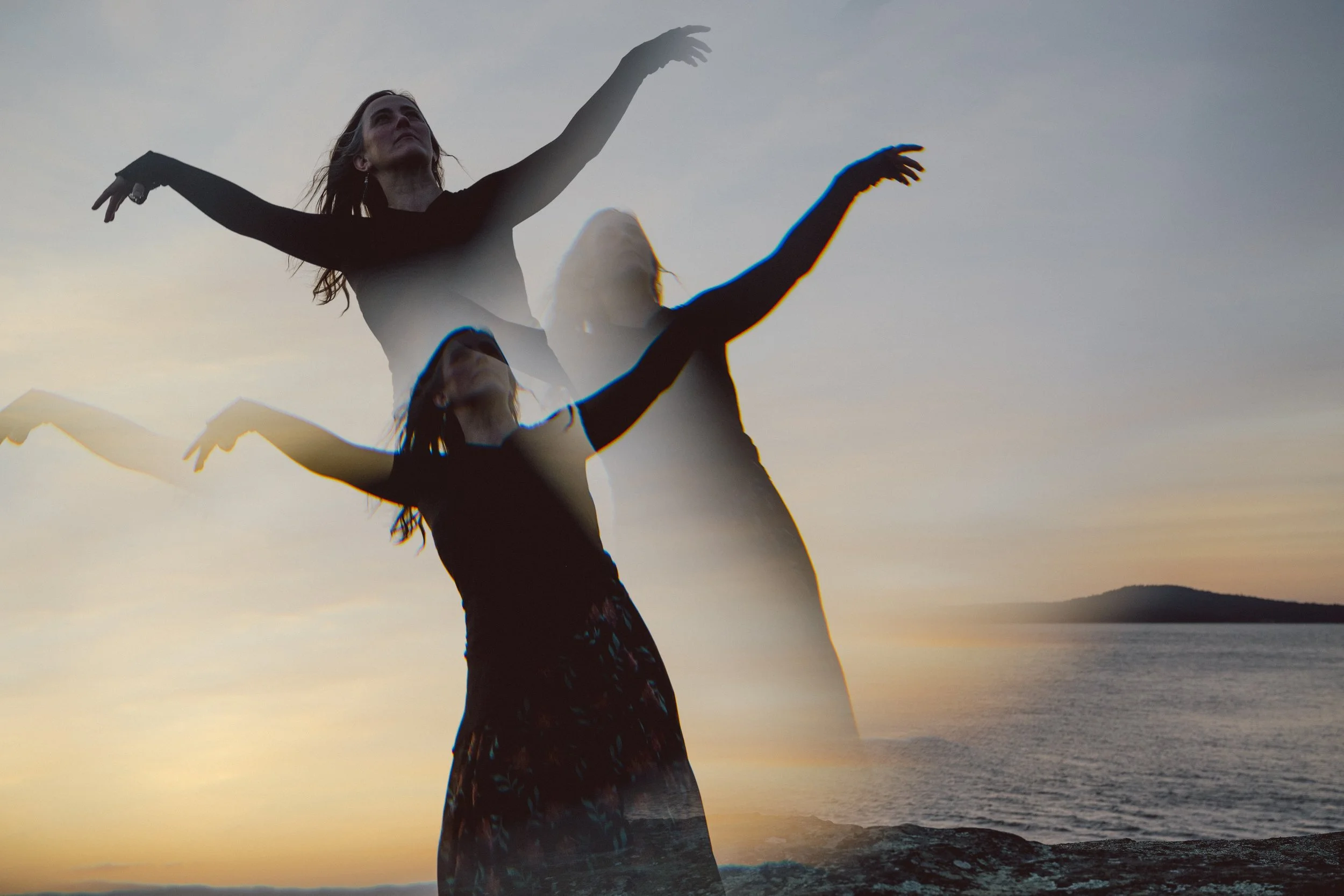
Sometimes it happens so gradually that we barely notice…
We are busy living our lives. Raising children. Caring for aging parents. Building careers. Holding relationships together. Showing up for our patients, families and communities. We become very good at carrying what needs to be carried.
And somewhere along the way, we can lose touch with ourselves.
Perhaps it begins as tiredness. We don’t recover as quickly. Our patience is thinner. The things that once brought us joy don’t quite reach us anymore.
Or perhaps the body begins asking for our attention more insistently: pain, fatigue, migraines, anxiety, changes in sleep or digestion, hormonal shifts, or a strange collection of symptoms that doesn’t fit neatly into a diagnosis. Sometimes there is a clear illness. Sometimes every test comes back “normal,” even though we know we don’t feel well.
And so we look for answers.
We see our doctor, perhaps a specialist, a naturopath, a counsellor. We change our diet. Take supplements. Learn about hormones, inflammation, trauma, the nervous system.
Some of these things help, sometimes enormously.
And yet, even when the symptoms improve, there can be a quieter question underneath it all:
Where did I go?
I trained as a physician, and I still deeply value the questions medicine teaches us to ask. What is happening physiologically? What conditions could explain these symptoms? What might we be missing?
These questions matter. Bodies are biological, and symptoms deserve to be taken seriously.
But years of working with thousands of women around the world—in medicine, research, community health, and now my practice at Madrona—have taught me that there are other questions worth asking too.
What has this body lived through?
What has she been carrying?
Where has she learned to override her own needs in order to care for others, belong, succeed, or simply keep going?
And perhaps most importantly: What does she long for now?
Not because illness is “all in our heads,” or because every symptom contains some hidden emotional meaning. But because none of us exists as a collection of separate parts. Our physiology, nervous systems, relationships, histories, environments, losses, hopes and longings are continually interacting. The body in which we live is inseparable from the life we have lived.
Again and again, I meet women who initially come wanting to feel better. But as we talk, something else emerges.
They want energy—but energy for something.
To play with their children. Make art. Walk in the forest. Feel desire again. Speak honestly. Find meaningful work. Laugh. Love. Belong.
They want to participate in their lives again.
They want to feel like themselves.
And often, underneath that, there is an even deeper longing: to know that they are living the life that is truly theirs. That they are not simply getting through the days but becoming more fully who they are and bringing what is theirs to bring into the world.
This has changed the way I understand healing.
I don’t think healing is simply about becoming symptom-free, nor about always returning to some previous version of ourselves. Sometimes bodies are permanently changed by illness, age, birth, grief, or life itself.
Perhaps healing is more about becoming present to ourselves again—to what we feel, what we need, what matters, and who we are becoming now.
Sometimes that involves helping the body recover. Sometimes grieving what has been lost. Sometimes learning to live differently in the body we now have. Often it is all of these at once.
Perhaps that is why healing can feel so much like coming home.
And perhaps alongside the question, How do I get rid of these symptoms?, we might also ask another:
What might help me feel more fully like myself again?
…
Disclaimer: Information can be empowering, but we all have unique health profiles and needs. Health-related information contained in this article is intended to be general in nature and should not be taken as medical advice nor should it be used as a substitute for a visit with a licensed health care provider.